
Vintage Stereo Companies Didn’t All Fade Away
Spend enough time around vintage audio enthusiasts and you’ll hear the same story over and over.
“They don’t make them like they used to.”
Sometimes that’s true.
Many legendary companies disappeared entirely.
Others became little more than logos slapped onto products that would have horrified their founders.
But not every company lost its way.
A handful of vintage stereo companies somehow survived decades of changing technology, shifting consumer habits, corporate takeovers, streaming services, home theater booms, and disposable electronics culture.
And remarkably, they’re still building equipment worthy of their names.
Many of those battles were fought during the golden age discussed in The Men Who Built Hi-Fi.
No, they aren’t making silver face receivers exactly like 1978.
But they’re still pursuing the same goal that built their reputations in the first place:
Great sound.
Why Most Vintage Stereo Companies Failed
Before celebrating the survivors, it’s important to understand why so many disappeared.
The golden age of hi-fi created brutal competition.
During the 1970s, companies fought wars over:
- power output
- tuner performance
- build quality
- styling
- innovation
As I explained in Why Silver Face Disappeared, eventually the market changed.
Consumers demanded:
- smaller equipment
- cheaper equipment
- convenience
Manufacturers responded.
Many companies couldn’t adapt.
Others adapted so much they lost their identity.
A few somehow found the balance.
Those are the companies on this list.
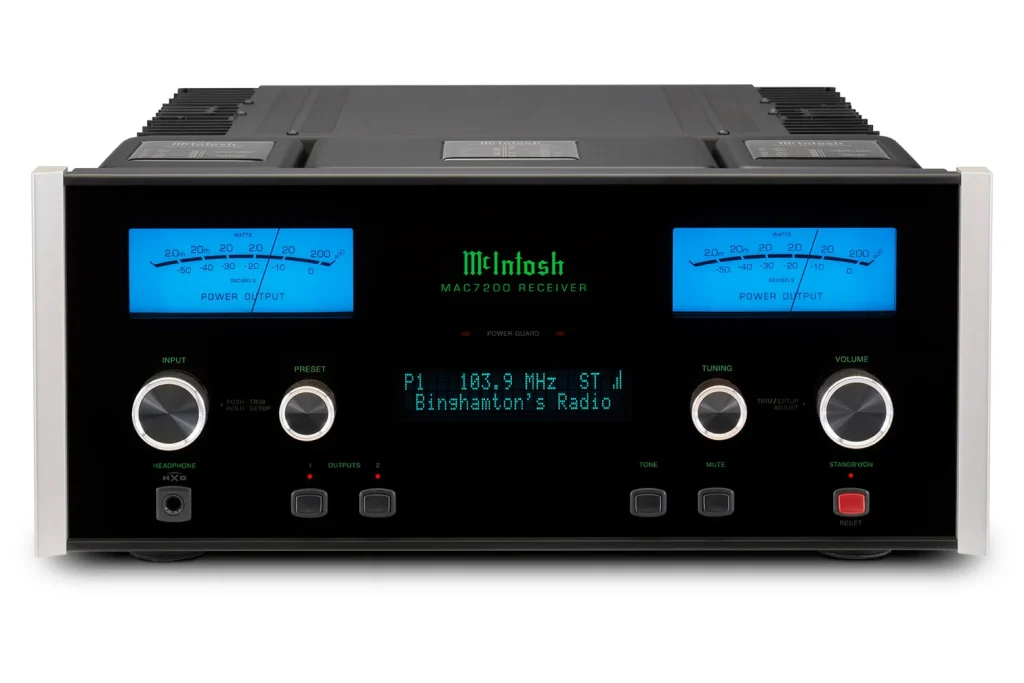
1. McIntosh: The Last American Audio Empire
Few companies have protected their identity as successfully as McIntosh.
Walk into a room and you’ll recognize it instantly.
Blue meters.
Glass faceplates.
Massive transformers.
No apologies.
While countless manufacturers chased trends, McIntosh stayed remarkably consistent.
Their equipment still feels like it was built by people who care about craftsmanship.
The company understands something many competitors forgot:
People buying premium audio don’t want disposable electronics.
They want heirlooms.
That’s exactly what McIntosh still builds.
2. Marantz: A Survivor That Never Forgot Music
Saul Marantz would probably be shocked by how much the company has changed.
Different ownership.
Different products.
Different world.
Yet somehow Marantz still produces some of the most respected two-channel equipment available today.
What makes Marantz special isn’t nostalgia.
It’s continuity.
The company still values musicality.
Still values design.
Still builds products intended for people who sit down and actually listen.
That’s becoming increasingly rare.

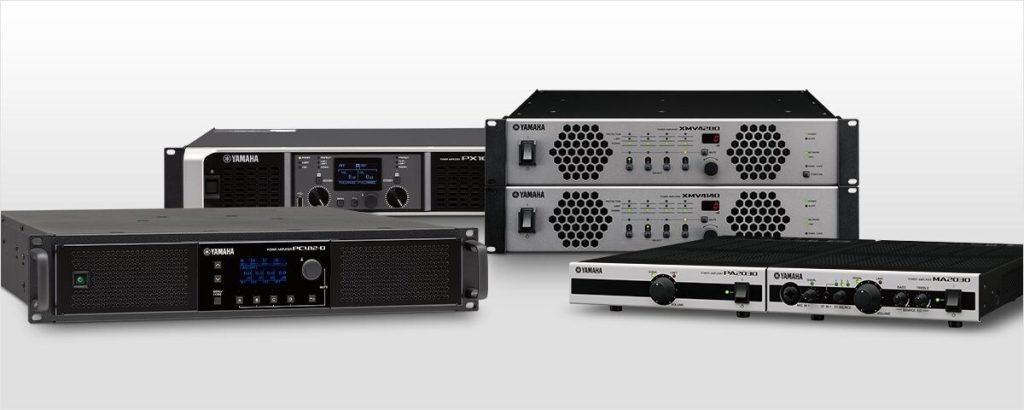
3. Yamaha: Engineering Never Went Out of Style
If there is one company that deserves more respect in audio circles, it’s Yamaha.
While many competitors chased trends, Yamaha quietly continued building excellent equipment year after year.
Integrated amplifiers.
Receivers.
Speakers.
Musical instruments.
The company never abandoned engineering culture.
And that’s why Yamaha products continue earning respect from both vintage collectors and modern audiophiles.
Yamaha never needed to reinvent itself.
It simply kept doing what it does well.
4. Technics: The Comeback Nobody Expected
For a while, many enthusiasts thought Technics was gone.
The legendary name seemed destined to become another casualty of changing times.
Then something interesting happened.
Technics remembered who it was.
The return of the SL-1200 wasn’t just a product launch.
It was a statement.
The company understood that people still cared about:
- precision
- reliability
- analog excellence
Today Technics once again builds products worthy of its history.
That’s harder than it sounds.
Many companies try to revive heritage.
Few succeed.
Some companies never recovered from the corporate changes discussed in Vintage Stereo Companies: When Corporations Took Over.
5. Luxman: The Quiet Master
Luxman may be the most underrated company on this list.
Ask casual music fans about Luxman and many won’t recognize the name.
Ask serious audiophiles and you’ll see immediate respect.
Luxman never chased mass-market dominance.
It focused on refinement.
Elegance.
Musicality.
The result is equipment that feels connected to the company’s roots even decades later.
Luxman proves that surviving doesn’t require becoming the biggest.
Sometimes surviving means knowing exactly who you are.
6. Klipsch: Still Loud. Still Proud.
Paul Klipsch wasn’t known for compromise.
Thankfully, much of that DNA remains.
Klipsch speakers still sound unmistakably like Klipsch speakers.
Dynamic.
Efficient.
Energetic.
They aren’t trying to please everyone.
And that’s exactly why people love them.
In an era when many products feel generic, Klipsch still has a personality.
That’s a rare achievement.
7. JBL: The Sound of Persistence
JBL has worn many hats over the decades.
Studio monitors.
Home speakers.
Professional sound reinforcement.
Consumer products.
Not every JBL product is legendary.
But the company continues producing genuinely impressive audio equipment.
Most importantly, the engineering culture that built the brand never completely disappeared.
That’s why JBL remains relevant today while so many competitors became memories.
The Ones That Almost Made the List
This section might start arguments.
Good.
Audio should spark debate.
Companies that narrowly missed this list include:
- Pioneer
- Kenwood
- Fisher
- Advent
- Sansui
Some disappeared.
Some changed dramatically.
Some still exist but no longer occupy the same position they once did.
That’s not criticism.
It’s simply reality.
And reality is what makes the surviving companies even more impressive.
Several of these brands were featured in Forgotten Stereo Brands, where their stories continue to resonate with collectors today.
What These Companies Have in Common
The surviving vintage stereo companies share several traits:
They respect their history.
They understand their customers.
They value engineering.
They refuse to become disposable.
Most importantly, they never completely abandoned the pursuit of great sound.
That sounds obvious.
It isn’t.
Many companies forgot.
These companies didn’t.
Why This Matters
Vintage audio isn’t really about old equipment.
It’s about values.
Craftsmanship.
Longevity.
Pride.
The belief that products should be built to last.
Every company on this list still carries some piece of that philosophy forward.
That’s why they matter.
And that’s why enthusiasts continue supporting them.
Final Thought
Most vintage stereo companies disappeared.
Some lost their identity.
Some became little more than corporate assets.
But a handful survived.
Not because they were lucky.
Because they remembered what made people fall in love with hi-fi in the first place.
The technology changed.
The music changed.
The world changed.
But the pursuit of great sound never did.
And as long as companies like these continue building equipment with passion and purpose, the spirit of the golden age isn’t gone.
It’s simply evolved.
Rock on, my friend 🤘🏻